

How Dubai's new soft mobility plan will change the way people travel by 2030
Walking, cycling and public transport set for stronger integration
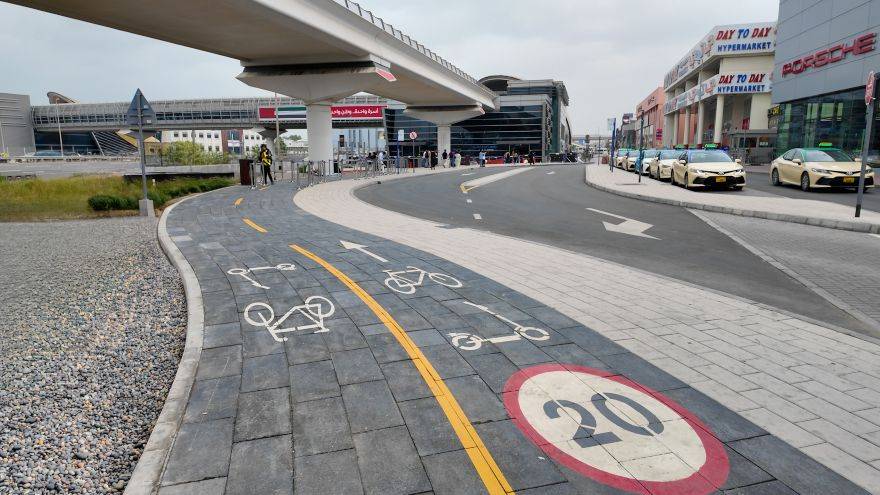
DUBAI – The Roads and Transport Authority (RTA) has unveiled one of its most comprehensive mobility initiatives in recent years, approving a five-year soft mobility plan that aims to make walking, cycling and other sustainable transport options an integral part of everyday travel in Dubai.
The strategy, which runs through 2030, is about far more than adding new cycling tracks or footpaths. It is designed to connect homes, workplaces and public transport into one seamless network, making journeys easier from the moment people leave their doorstep until they reach their destination.
The plan covers 25 residential areas and 63 public transport stations, with the goal of making first and last-mile travel safer, faster and more convenient for everyone.
What is soft mobility?
Soft mobility refers to transport modes that are environmentally friendly, space-efficient and designed for shorter journeys. In Dubai's case, these include walking, cycling and e-scooters.
Rather than replacing the Metro, buses or taxis, soft mobility complements them. It allows people to comfortably walk or cycle from their homes to a Metro station, take public transport for the main part of the journey, and then complete the final stretch on foot or by bicycle.
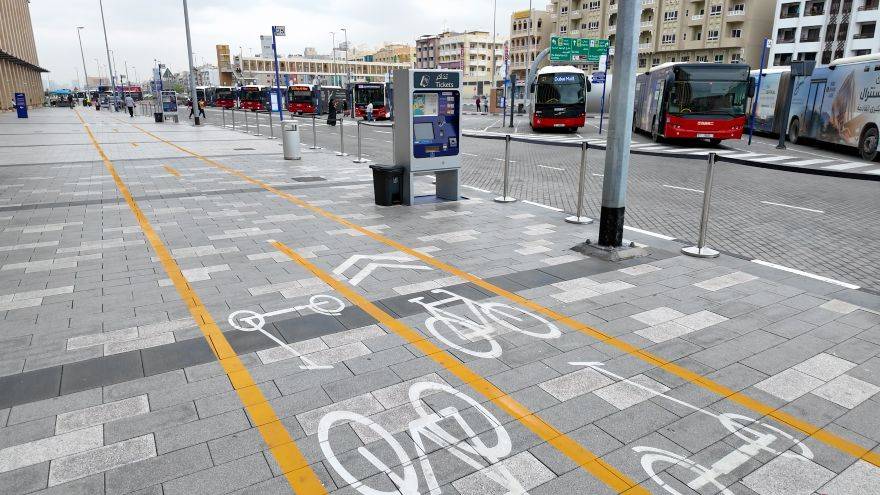
The concept is intended to reduce reliance on private cars while encouraging healthier and more sustainable ways of travelling.
Why is RTA launching this plan?
Dubai's population continues to grow, and so does demand for efficient transport. RTA says modern mobility is no longer measured only by the quality of roads or public transport. Increasingly, successful cities are those where different transport options work together seamlessly.
The authority believes improving first and last-mile connectivity will encourage more residents to use public transport because reaching Metro and bus stations becomes quicker, safer and more convenient.
The initiative also supports the Dubai 2040 Urban Master Plan, which seeks to create a more sustainable, liveable and connected city.
What will change by 2030?
The five-year programme includes several major improvements across the emirate.
Soft mobility infrastructure will be extended to 25 residential communities, bringing the total number of targeted areas to 34 by 2030.
At the same time, infrastructure surrounding 63 public transport stations will be upgraded to improve access to Metro and bus services.
Rather than treating stations as isolated transport stops, RTA wants every station to function as a complete mobility hub where different transport modes connect naturally.
That means residents should find it easier to walk, cycle or use shared mobility services to reach public transport instead of relying solely on private vehicles.
What infrastructure will be added?
The plan introduces a wide range of improvements instead of focusing on a single transport mode.
RTA has approved a five-year plan to expand the emirate's soft mobility network through 2030. The plan aims to strengthen links between residential areas and public transport stations and to build an integrated urban mobility system that supports first- and last-mile journeys,… pic.twitter.com/dDAxpmJG7t
— RTA (@rta_dubai) July 19, 2026
Residents can expect more dedicated cycling tracks, upgraded pavements and safer pedestrian crossings.
The programme also includes shaded walkways, landscaped public spaces, rest areas with seating, bicycle parking and facilities for People of Determination.
Shared mobility services will receive additional support through more bicycle stations and e-scooter parking areas.
Passenger pick-up and drop-off zones, vehicle parking and clearer directional signage will also form part of the upgrades.
Together, these improvements are intended to make sustainable travel both practical and comfortable throughout the year.
Which areas are included?
Five residential areas are already seeing soft mobility elements introduced:
- Dubai Marina
- Al Murar
- Naif
- Al Rigga
- Al Muraqqabat
Earlier phases of the programme have already been completed in nine communities:
- Al Mankhool
- Al Qusais
- Al Karama
- Al Barsha 1
- Al Barsha 2
- Al Khawaneej 2
- Hor Al Anz
- Abu Hail
- Al Souk Al Kabeer
Meanwhile, improvements have already been made around 37 Metro stations, including Mall of the Emirates, Burj Khalifa/Dubai Mall, ONPASSIVE, Gold Souq, BurJuman, Baniyas Square, Sharaf DG and Abu Hail.
These projects have laid the groundwork for the larger expansion now planned through 2030.
First and last-mile travel
For many commuters, the most inconvenient part of using public transport is not the Metro or the bus itself. It is getting to and from the station.
Someone may live one kilometre away from a Metro station but choose to drive because there are limited walking routes, inadequate crossings or no cycling facilities.
This is known as the first and last-mile challenge.
RTA's plan focuses heavily on solving this issue by ensuring residential neighbourhoods, business districts and key destinations are better connected with public transport.
If residents can comfortably walk or cycle to a station, public transport becomes a more attractive option for daily travel.
What do the numbers show?
Recent figures suggest that Dubai residents are already embracing soft mobility.
Pedestrian journeys reached 342 million in 2025, up from 326 million the previous year, while pedestrian satisfaction rose to 89 percent.
Cycling recorded even stronger growth, increasing from 46.6 million trips in 2024 to 57.3 million in 2025.
E-scooter usage also continued to expand, rising from 32.3 million to 39.6 million trips over the same period.
The growing demand indicates that walking, cycling and e-scooters are becoming increasingly important parts of Dubai's wider transport network.
How does it fit into Dubai's future?
The soft mobility strategy is one piece of Dubai's broader vision for an integrated transport system.
Instead of treating roads, Metro, buses, marine transport, taxis and personal mobility as separate services, RTA wants them to function as one connected network.
The authority has also completed a comprehensive master plan for non-motorised transport, setting standards for cycling infrastructure, pedestrian facilities and first and last-mile connections that will guide future projects across the emirate.
As more residential communities and transport stations are linked through dedicated walking and cycling infrastructure, residents can expect smoother connections between home, work, public transport and major destinations over the coming years.